
College Bound and Gender Found
Tequila Tony & The Tavern Crowd
College Bound and Gender Found – DOWNLOAD
(Verse 1)
I heard it on a podcast, it’s the talk of the town,
If you want that Ivy League, well, here’s the rundown:
Forget about the grades and the SATs,
Just change who you are, and they’ll open the keys.
If Yale’s your dream, don’t stall or pause,
Just check “trans” that’ll bend their laws.
For college gates, it seems, will swing
With labels broad as the campus ring.
They say it’s the way, the road that you take,
A detour in life for those Ivy gates,
If you’re middle-class White, then you best take a “trans” stand,
And add a question mark to your college plan.
(Chorus)
It’s college bound and gender found,
The road to Harvard’s all turned around.
They say you’re in if you don’t fit in,
It’s the privilege trade for a brand new spin.
So pack up your books and switch your name,
This college game don’t play the same.
(Verse 2)
Now, JD says there’s an incentive in the air,
A chance to leave behind the privilege we wear.
“Just sign right here,” in the DEI,
And you’ll swap your struggles for an upper-class try.
But out in the real world, it’s not that way,
Where kids face a struggle nearly every day.
The truth ain’t so simple as a checkbox trend,
For some it’s a journey with no clear end.
(Chorus)
It’s college bound and gender found,
The road to Yale is all turned around.
They say you’re in if you don’t fit in,
It’s the privilege swap for a shot to win.
So hold onto your name or give it a spin,
This college game’s got no easy win.
(Bridge)
‘Cause the truth’s a mess and hard to hear,
For those who walk this road of fear.
When safety’s scarce and doors are few,
You can’t just walk in someone else’s shoes.
(Verse 3)
So to those in power who think it’s all play,
Take a look in the mirror, maybe someday,
You’ll see that kids just want a fair chance too,
Without changing who they are just to make it through.
(Chorus)
Yeah, it’s college bound and gender found,
With JD’s rules all flipped around.
It’s no easy street, no golden gate,
Just a dream they hold despite the hate.
So here’s to the kids who just wanna be,
Taking that ride to be truly free.
(Outro)
College bound and gender found,
When the dust has settled on that Ivy ground,
Let’s hope that dreams don’t need a twist,
And every kid gets a fair chance at this.
(Fade out)
Let’s hope that dreams don’t need a twist…
Lyrics and Music by Alan Nafzger
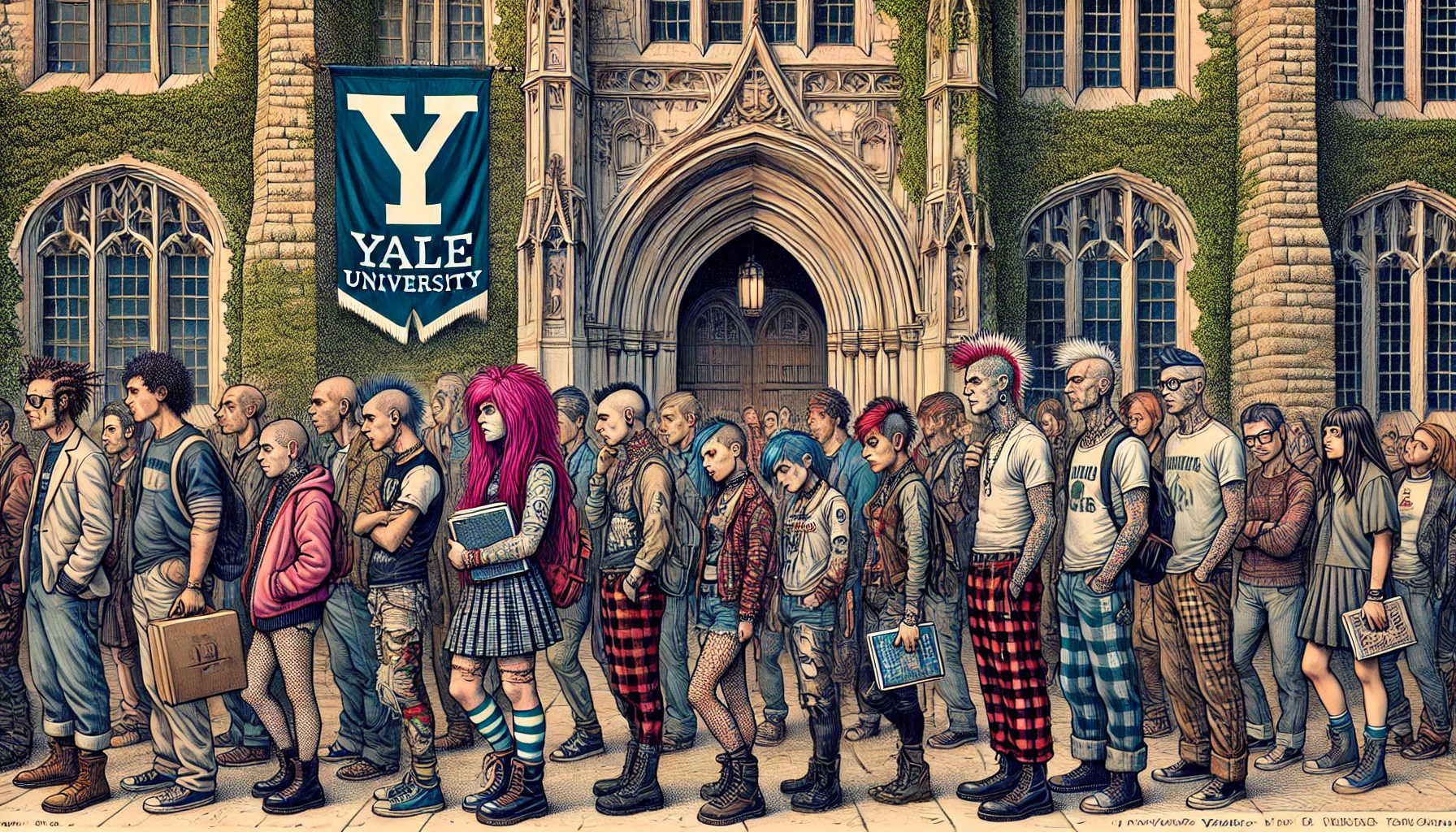
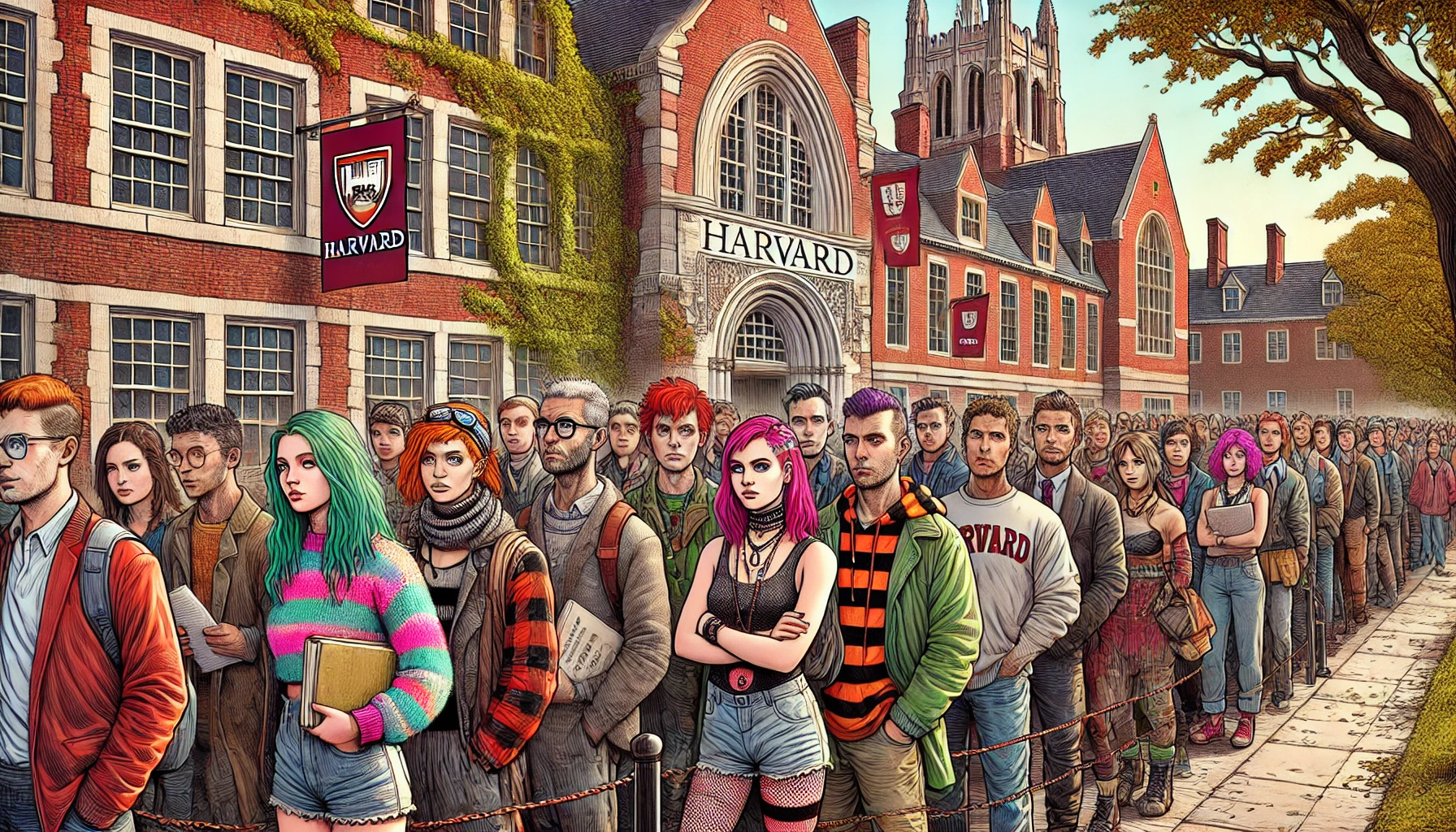
JD Vance’s recent remarks about college admissions have ignited discussions about identity, privilege, and the competitive world of elite college admissions. Vance suggested that some upper- and middle-class White families may encourage their children to identify as transgender to gain a perceived advantage within the “DEI bureaucracy” (Diversity, Equity, and Inclusion) in admissions at schools like Harvard or Yale. He argued that, in today’s competitive environment, identifying as transgender might serve as a way to symbolically “reject” White privilege and thus gain an edge in the admissions process. This perspective raises questions about how identity factors into college admissions, but it rests on a few significant oversights.
Studies suggest that transgender students face heightened risks of bullying, discrimination, and lack of support, particularly during middle and high school years, which can have substantial impacts on mental health, academic performance, and extracurricular participation. These challenges generally make it statistically less likely for transgender students to reach higher education opportunities, much less elite schools. For transgender youth, the journey to an Ivy League college isn’t “incentivized” or easy; it often means overcoming substantial barriers that other students may not face.
Colleges do strive to build diverse student bodies, and some admissions processes have made deliberate attempts to include voices and perspectives that might otherwise be underrepresented. However, being transgender is not merely a checkbox in admissions applications. Most selective colleges evaluate candidates holistically, which includes academic achievements, extracurriculars, recommendations, and personal essays, rather than identity alone.
Vance’s remarks highlight a common misconception: that identity markers like being transgender or nonbinary can be adopted to unlock perceived advantages. However, for students who identify as transgender, their identity often brings challenges, not shortcuts, in higher education. Recognizing the true experiences of transgender students—and the systemic hurdles they face—would contribute more meaningfully to the conversation about diversity, equity, and inclusion in college admissions than assumptions about incentives that don’t account for these real-world obstacles.
Last Updated on November 1, 2024 by Alan Nafzger