
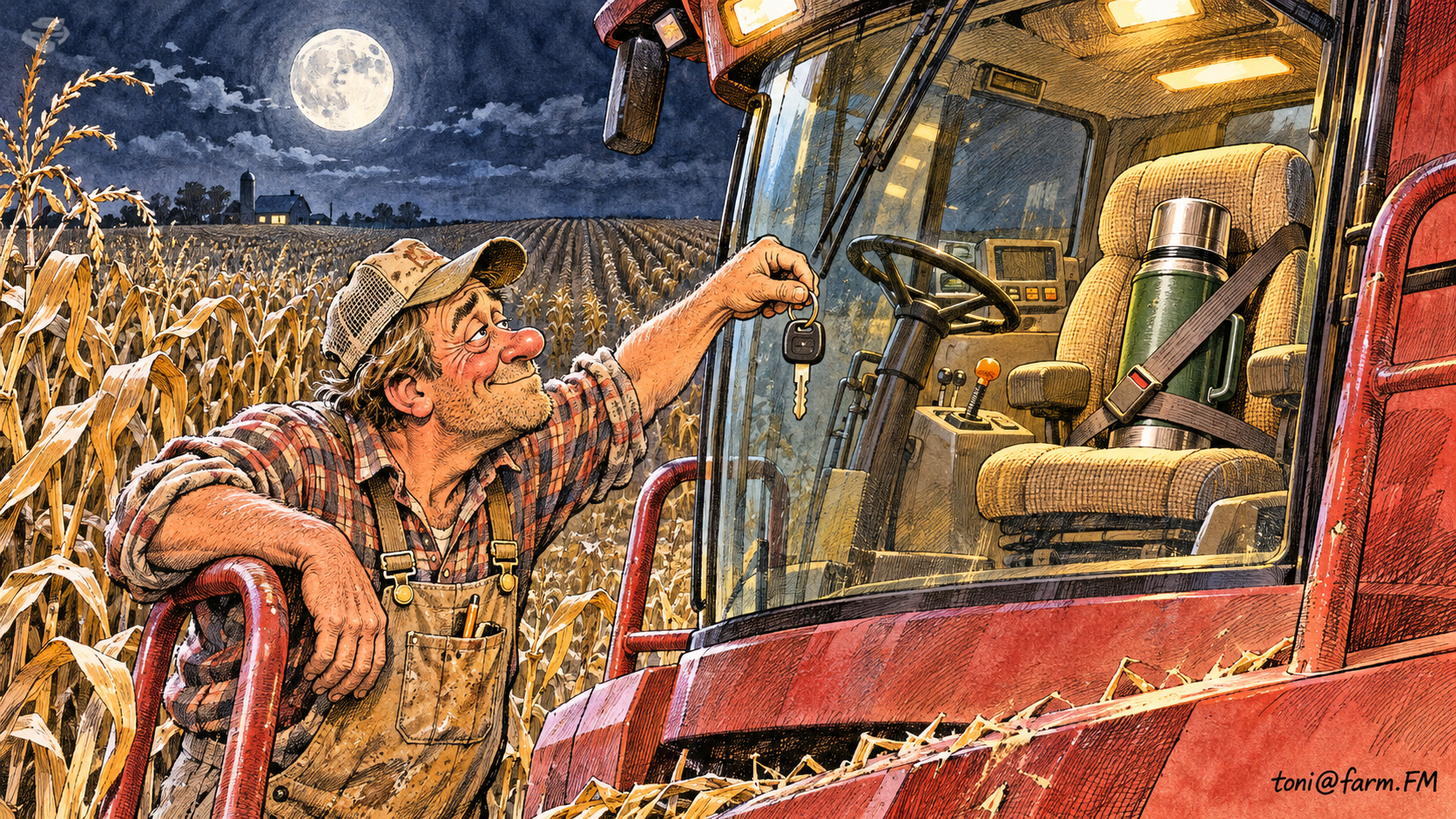
FORT DODGE, Iowa — Pete Mallory put the combine keys on the seat, filled a thermos and went home after another bulletin said the corn harvest was behind the national average. He figured the average could demonstrate the proper way to finish the east field. By dawn, the thermos was full and the only thing that had gone through a row was a deer.
“I left the keys in it overnight,” Mallory said. “That son of a gun never even showed up.”
Mallory’s next-door neighbor offered to help after he finished his own corn. The national average, by contrast, offered a figure in a PDF. Pete said both contributions were welcome but he knew whose wife was getting a Christmas ham.
Statistic Given Its First Performance Review
Mallory docked the average a shift’s pay and called an employee meeting in the machine shed. Attendees included his son, the dog and a parts counter employee on speakerphone who said he could hear that something was wrong but would have to order the thing that would fix it.
The family wrote down the reasons they’d lost time, including soft ground and a bearing that arrived in a box marked up with arrows. Pete said he appreciated the instructions but would have preferred the correct bearing. His son suggested reporting the combine as 95 percent operational. Pete told him to take that remaining five percent off the machine and try to drive to town.
West Texas Input Bills Set Their Own Pace
Clyde Mercer, a Texas cotton grower, said benchmarks made more sense when everybody participated. “They cut the cotton crop forecast and the price forecast on the same day. I asked my seed dealer if he wanted to get in on the spirit of the thing. He said he hadn’t heard about it.”

The dealer’s bill had made it all the way to the mailbox through conditions that had prevented Clyde from harvesting. He asked the postman to explain his method. The postman said it helped that he was only carrying the bill and was under no obligation to pay it.
How to Read Crop Progress
The USDA Crop Progress and Conditions survey tracks how far along crops are in the season. It can help put a slow harvest in context. For an individual field, crop moisture, access and drying capacity still determine what can get done and when.
At dusk Pete refilled the thermos for himself. His son asked if they were giving up on the average. “Hell no,” Pete said. “I’m letting it run the grain cart. That way it can follow someone who knows where he’s going.”
Farm.FM Satire Disclaimer
The nation’s only agriculture professor that actually needs tenure filed this report with a philosophy major turned dairy farmer. The thermos was the only seasonal hire to turn up.
Last Updated on November 20, 2026 by Alan Nafzger